
You’ve found the perfect candidate.
Strong experience, great energy, the interview went really well. You make the offer and you’re almost certain they’ll say yes.
But a few days later, the answer comes in:
“Thank you so much for the opportunity, but I’ve decided to go in a different direction.”
You start thinking about the salary. The role. The benefits.
But sometimes, the reason is much simpler.
If you invite a candidate into an improvised office — where the meeting room doubles as a lunch area, and the smell of someone’s schnitzel drifts in as a “bonus” from next door… don’t be surprised if they stop answering your calls.
For more and more professionals, the work environment is no longer a small detail. It’s part of the decision.
The office has become part of the job offer
In the past, a job offer was fairly simple: the role, the salary, maybe a few benefits.
Today, things look a bit different.
Candidates are looking at the full experience: where they’ll work, what the space looks like, and whether the environment helps or gets in the way of their day-to-day work.
A modern office sends a clear message: the company invests in its team’s comfort and productivity.
And for many professionals, that matters more than you might think when deciding whether to accept a job.
Offices that adapt, not limit
For companies, one of the biggest challenges is adapting the workspace as the team grows or changes.
A modern coworking space offers exactly that kind of flexibility.
Need a few desks to start with? No problem.
The team grows and you need a private office? That can be arranged quickly.
No complicated moves. No spaces that suddenly feel too small — or too big.
For startups and growing companies, this kind of flexibility can make a huge difference.
Community brings energy and new opportunities
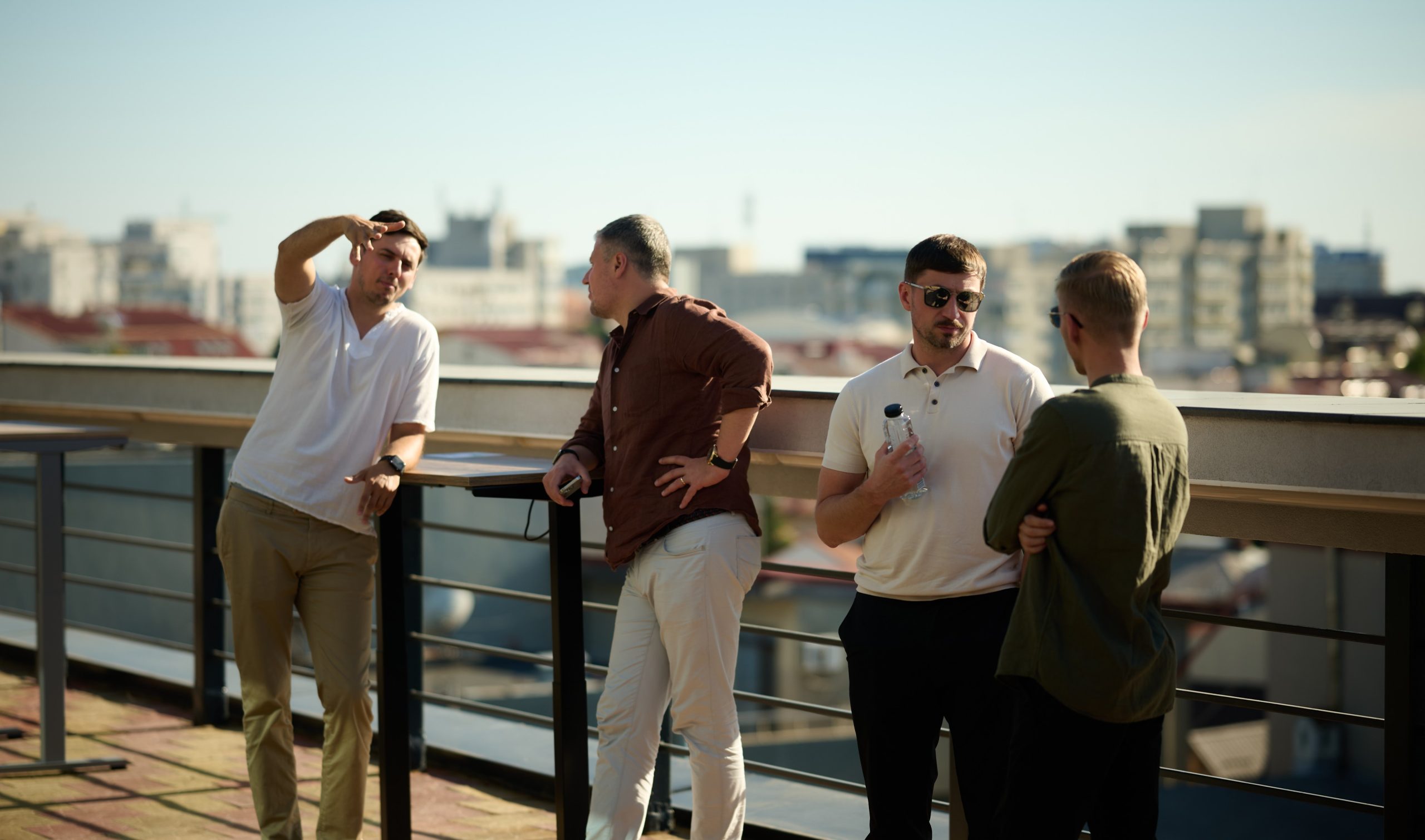
Another major advantage of coworking spaces is the community.
When your team works in an environment alongside other companies, freelancers and entrepreneurs, the energy shifts.
Conversations happen. New perspectives appear. And sometimes, unexpected collaborations follow.
It’s not just theory. Many well-known startups have grown in these kinds of environments. For example, Uber is often mentioned as a business that developed in collaborative spaces, where informal interactions can lead to big things.
For many people, this kind of environment makes work feel more engaging and motivating than a traditional office.
Spaces designed for how we actually work
A modern coworking space isn’t just about good design.
It’s about clear separation between functions.
Because in reality:
if you eat at your desk, it stops being a workspace
if meetings happen between desks, focus disappears
if calls happen next to your teammates, there’s no quiet left
That’s why well-designed spaces include:
phone booths for uninterrupted calls
proper meeting rooms (not improvised ones)
lounge areas for real breaks
dedicated areas for focused work
These small details make the difference between “just an office” and a place where people can actually get things done.
Conclusion: the work environment matters more than you think
A poorly organized workspace doesn’t just lower productivity.
It can cost you great people.
On the other hand, a well-designed space can do the opposite: attract, motivate and retain your team.
At aSpace, spaces are built with exactly this in mind — to support productivity and collaboration for modern teams.
Whether you’re an entrepreneur or part of an HR team, it’s worth seeing what a workspace that truly supports people looks like.
Choose one of the 6 aSpace locations and come by for a tour!
Recent Comments